-
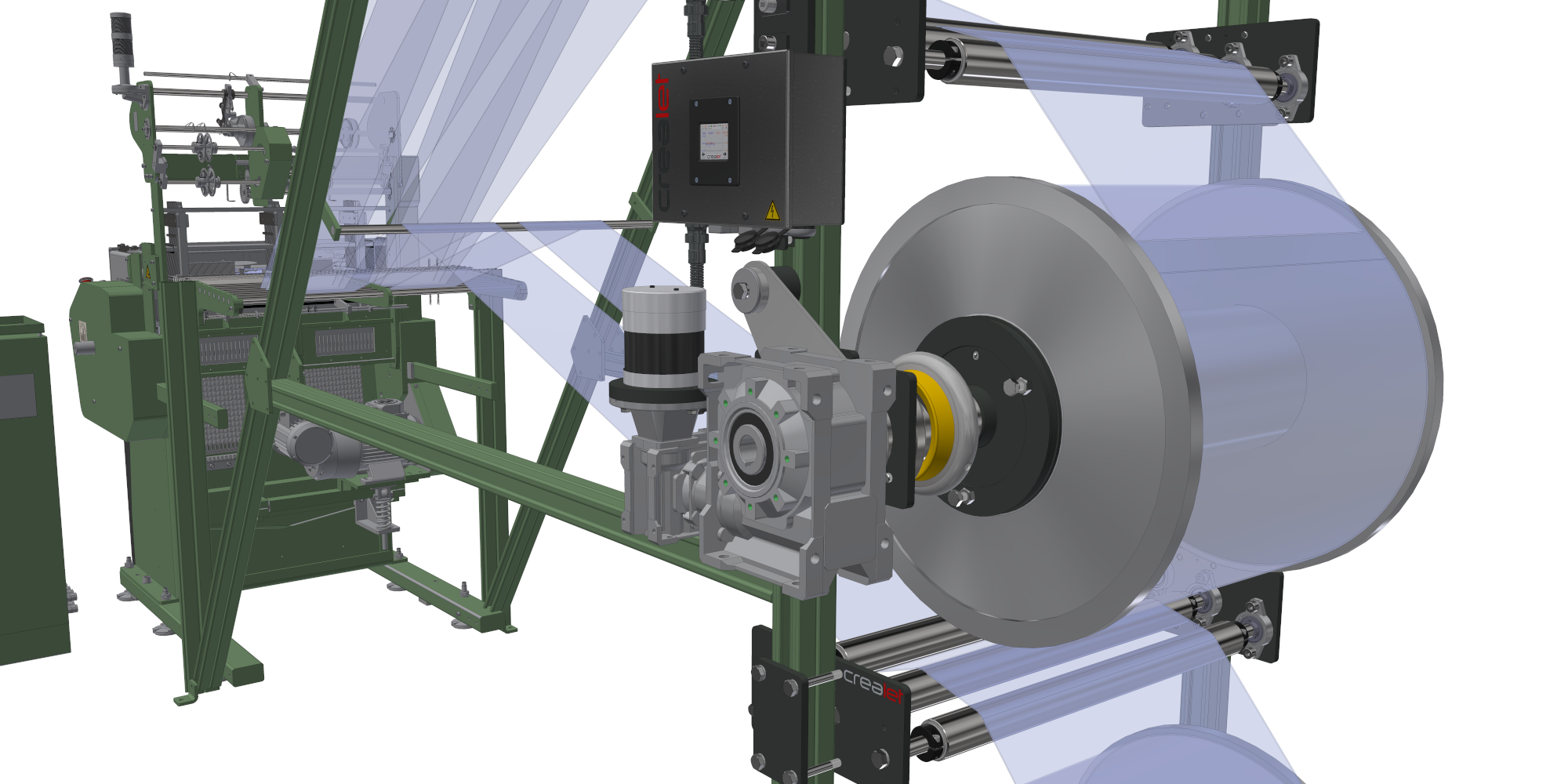
Retrofit of Warp Yarn Feeders for Narrow Fabric Weaving Machines
By specifically upgrading existing warp let-off and warp yarn feeding systems, the performance potential of your weaving machines can be sustainably increased – with a manageable investment.
-

From the Creel to the Weaving Machine – where Precision Really Begins
Before a warp thread reaches the weaving machine, it has already passed through several stages. The creel provides an organised arrangement of the yarn packages. The yarn tensioning device influences the uniformity of yarn running, before the warp yarn feeder takes over the controlled feeding of the warp threads to the weaving machine.
-

When There is not Enough Space for a Creel
An alternative to weaving from creel is weaving from multiple warp beams positioned directly behind the weaving machine. The warp beam rack combines a compact arrangement of warp beams with short yarn paths and long machine operating times.
-
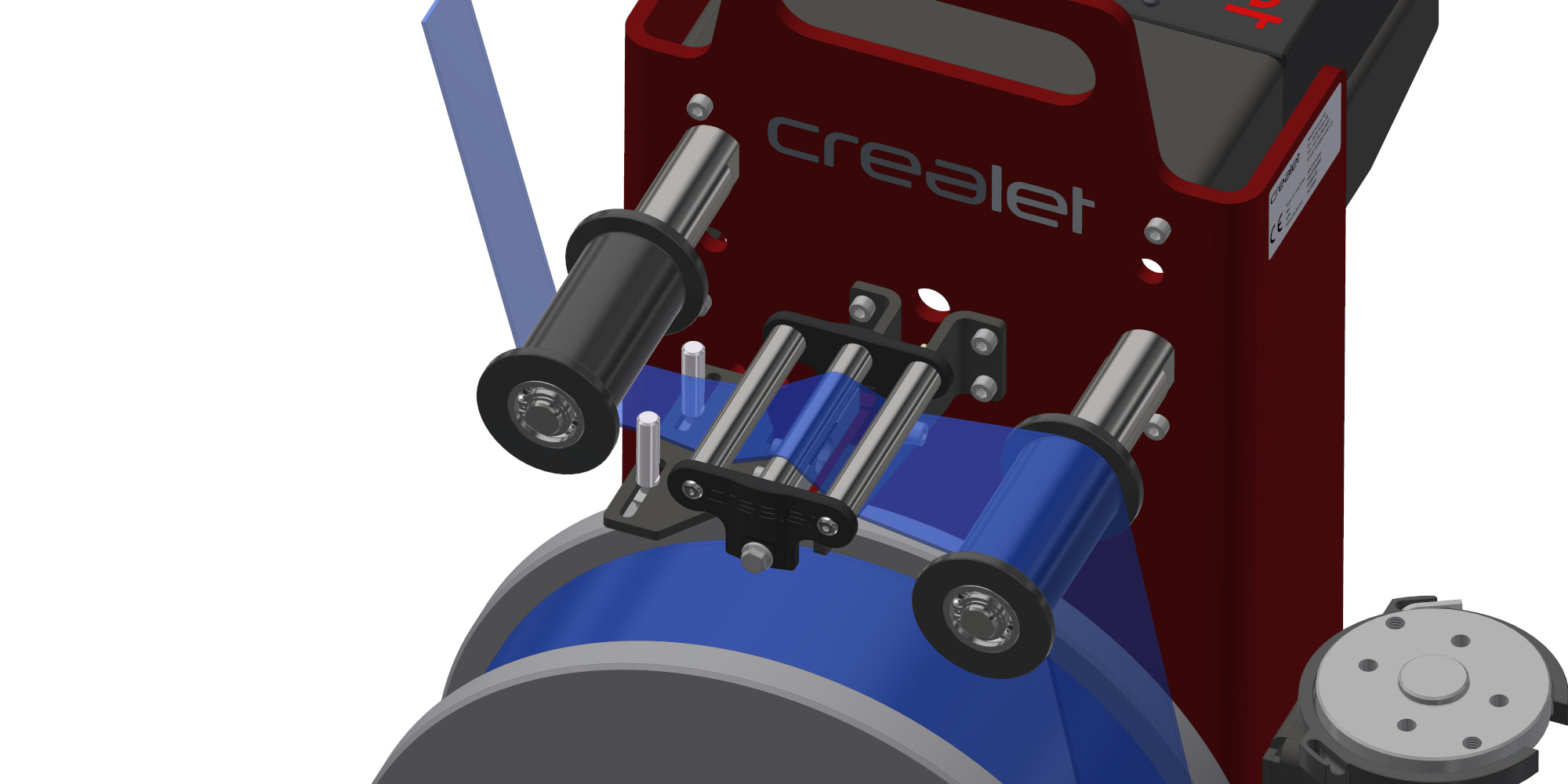
Selvedge Yarn Feeders – The Right Solution for Every Application
Selvedge yarn feeders provide controlled feeding of the selvedge yarns, ensuring that selvedge yarn tension can be precisely adjusted and maintained consistently throughout the entire weaving process.
-

Automated Warp Material Feeding – Less Muda, Greater Process Stability
What do Warp Material Feeding and Lean Management have in common? Quite a lot. In machines where warp material is continuously fed and processed, constant and defined material tension is essential for a stable production process. If there is no controlled warp material feeding system or active tension control, the operator has to regularly monitor…
-
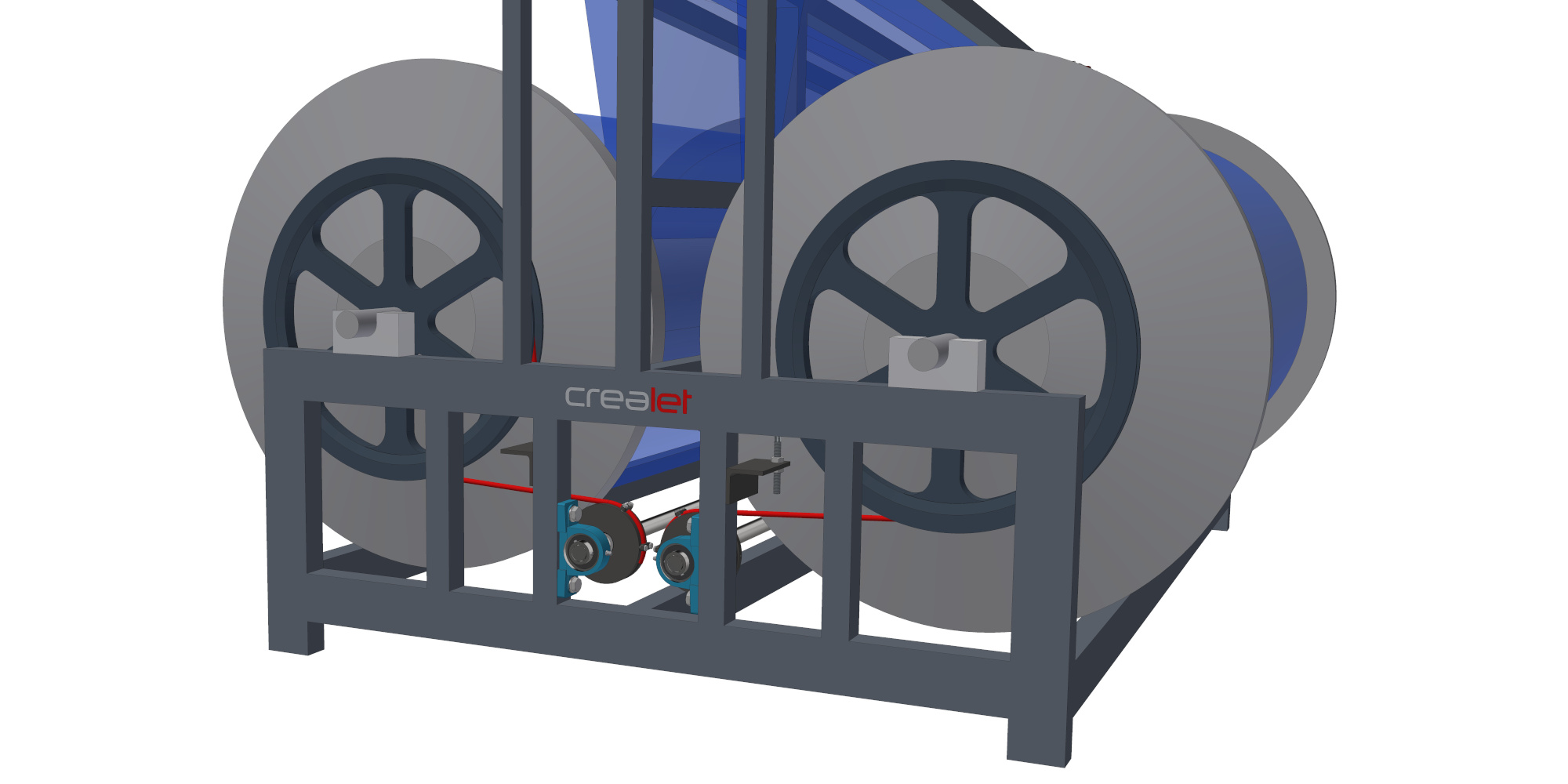
ECR Warp Let-Off: When a Proven Brake Becomes an Intelligent Solution
How can existing band and rope brakes be upgraded with the ECR Warp Let-Off to meet higher demands? We have solutions for this. One of them is the ECR Warp Let-Off. The idea behind ECR is deliberately pragmatic: an existing band or rope brake does not have to be completely replaced. Instead, it can be…
-

Narrow Fabrics in Focus: Where Precise Warp Yarn Feeding Makes the Difference
INTRO: In a special series of four detailed reports, we present an analysis of the specific individual challenges and solutions for four product groups in the manufacturing of narrow fabrics.
-

Warp Yarn Feeding for Elastic Narrow Fabrics – A Key Technology for Technical Applications
PART 1/4: Woven elastic webbings have become key components in numerous technical applications. Their outstanding dimensional stability, reproducible stretch characteristics, defined recovery force, and high mechanical durability make them a preferred choice over many alternative textile solutions.
-

Precision Under Load – Warp Beam Systems for High-Performance Technical Webbings
PART 2/4: Load-bearing woven webbings are used in lifting slings, lashing straps, cargo securing systems, and as reinforcement fabrics for drive belts. These products must safely absorb and transmit high tensile forces while meeting the most demanding requirements for strength, durability, and operational safety.
-

Reproducible Quality for Safety-Critical Webbings
PART 3/4: Safety-critical woven webbings—such as automotive seat belts, fall-arrest and fall-protection systems, rescue and recovery straps, and other components of personal fall protection equipment (PFPE)—are subject to the highest requirements regarding strength, durability, and functional reliability.
-

Functional and Smart Webbings – Woven Technology with Integrated Functionality
PART 4/4: Functional or so-called smart webbings extend the traditional role of technical woven webbings far beyond simple load-bearing and force-transmission functions. By integrating additional functionalities, they increasingly perform tasks in sensing, data transmission, power supply, identification, and system monitoring.
-

Go far beyond the conventional scope
Electronic warp let-off systems for yarn feeding enable applications that go far beyond the conventional scope. Especially in creel-based weaving, they demonstrate their strengths wherever the highest demands are placed on yarn tension, process stability, and reproducible product properties.


