

Consistent fabric quality does not begin at the weaving machine. It begins where the warp threads first start their journey towards the machine.
Creels, yarn tensioning devices and warp yarn feeders work together as a system that is crucial for a stable and reliable weaving process.
Especially with modern weaving systems operating at high production speeds, even minor irregularities in yarn feeding can affect quality, process reliability and productivity.
The Warp Thread on Its Way to the Weaving Machine
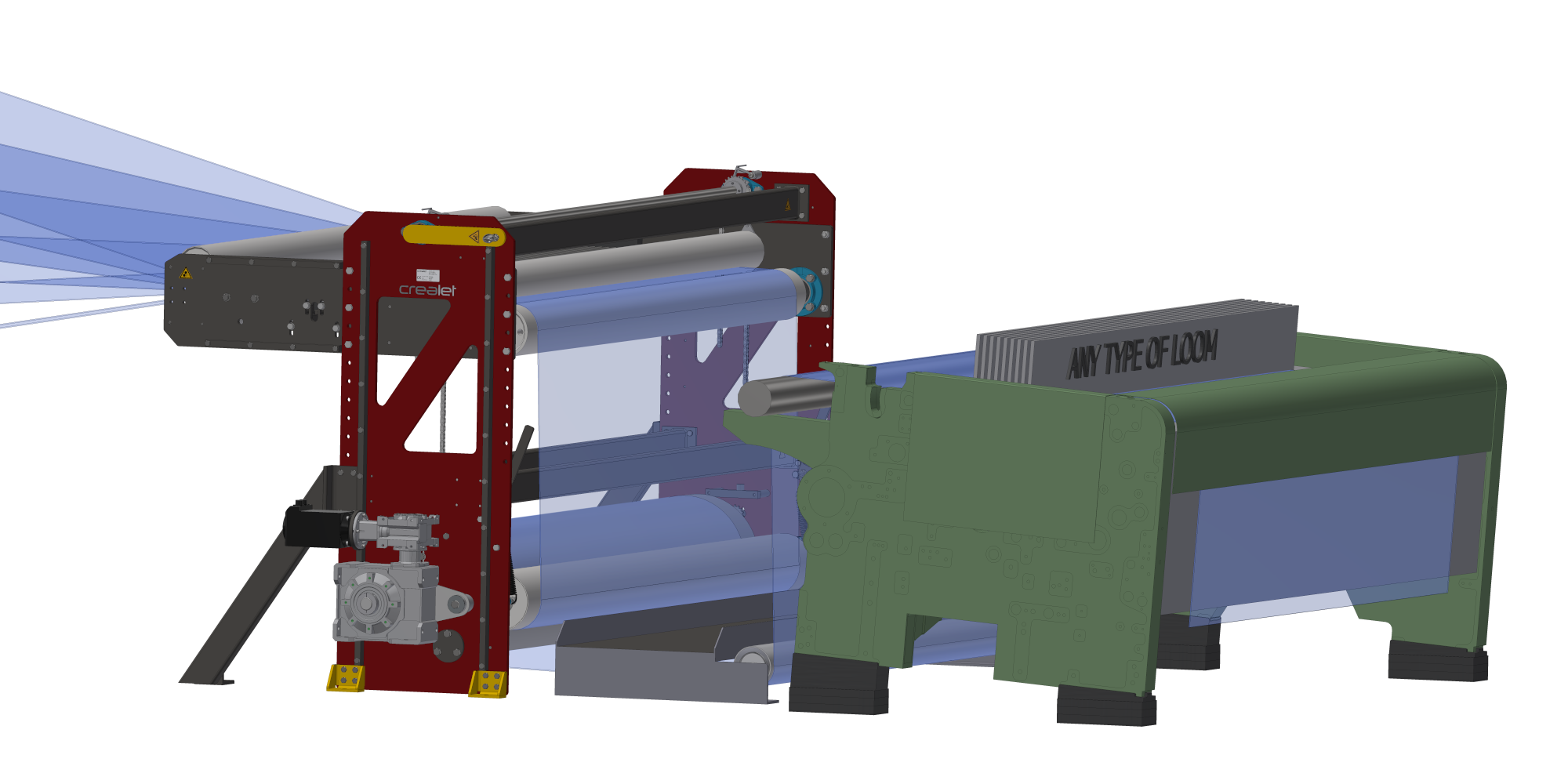
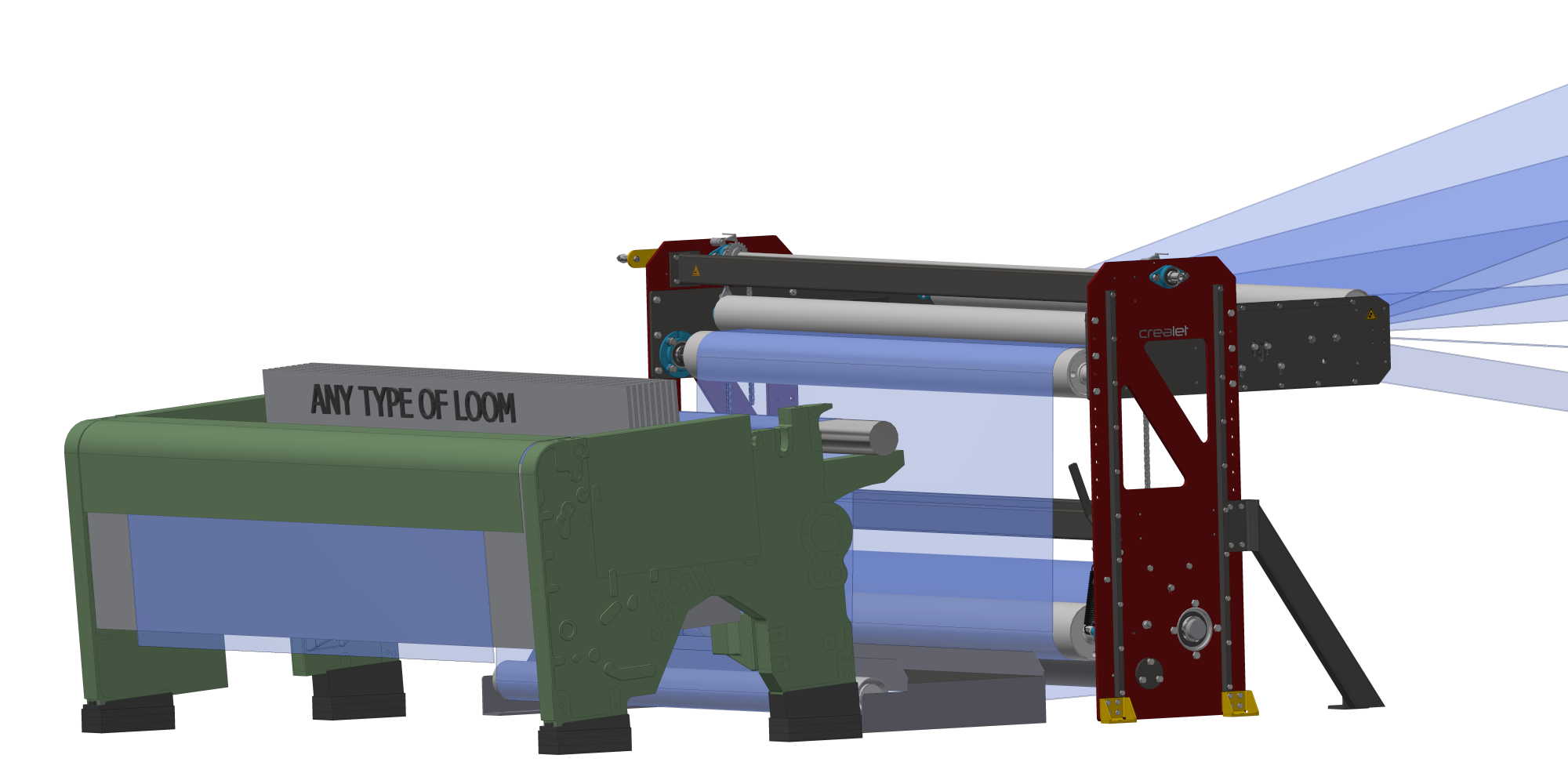
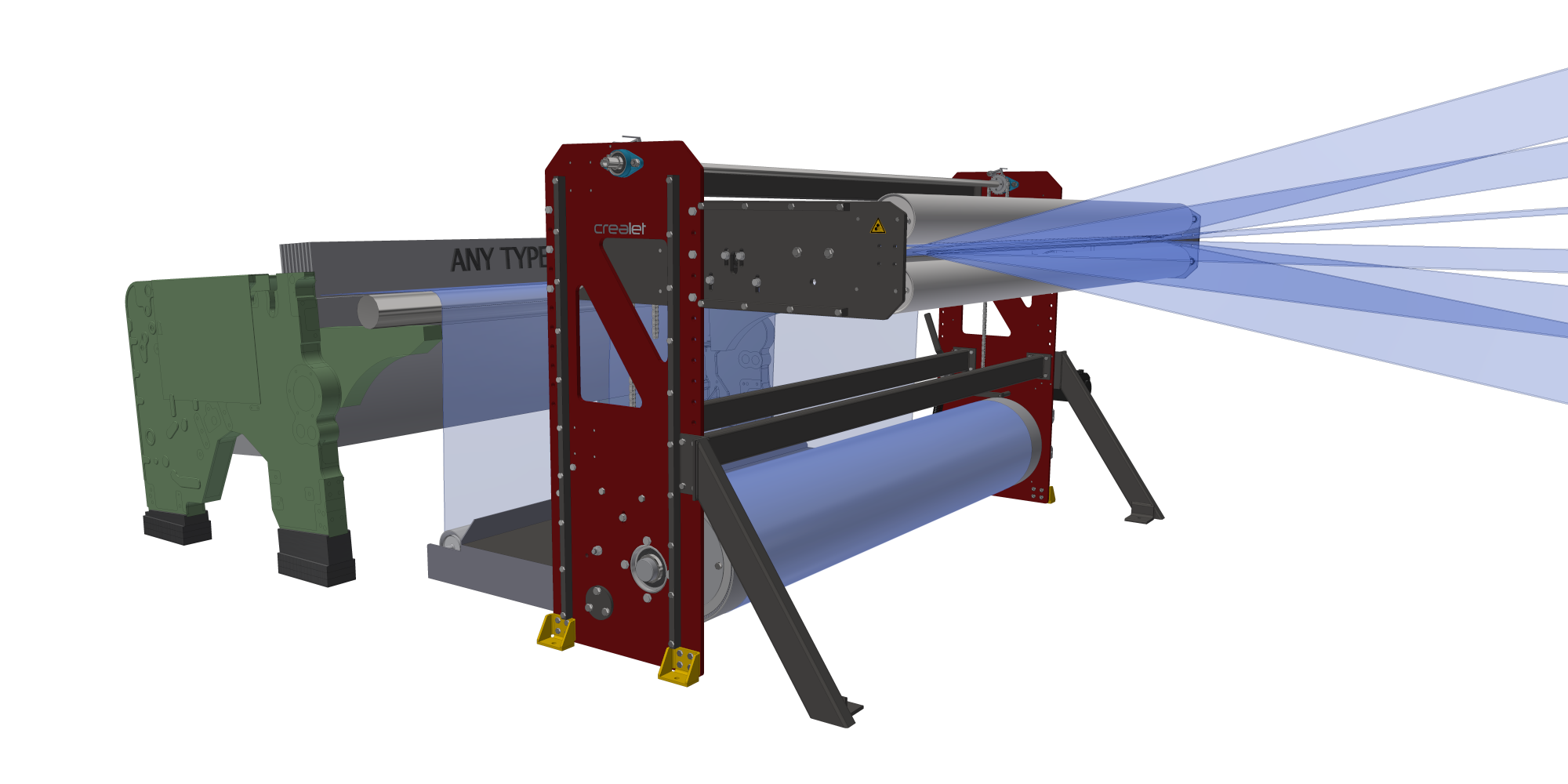
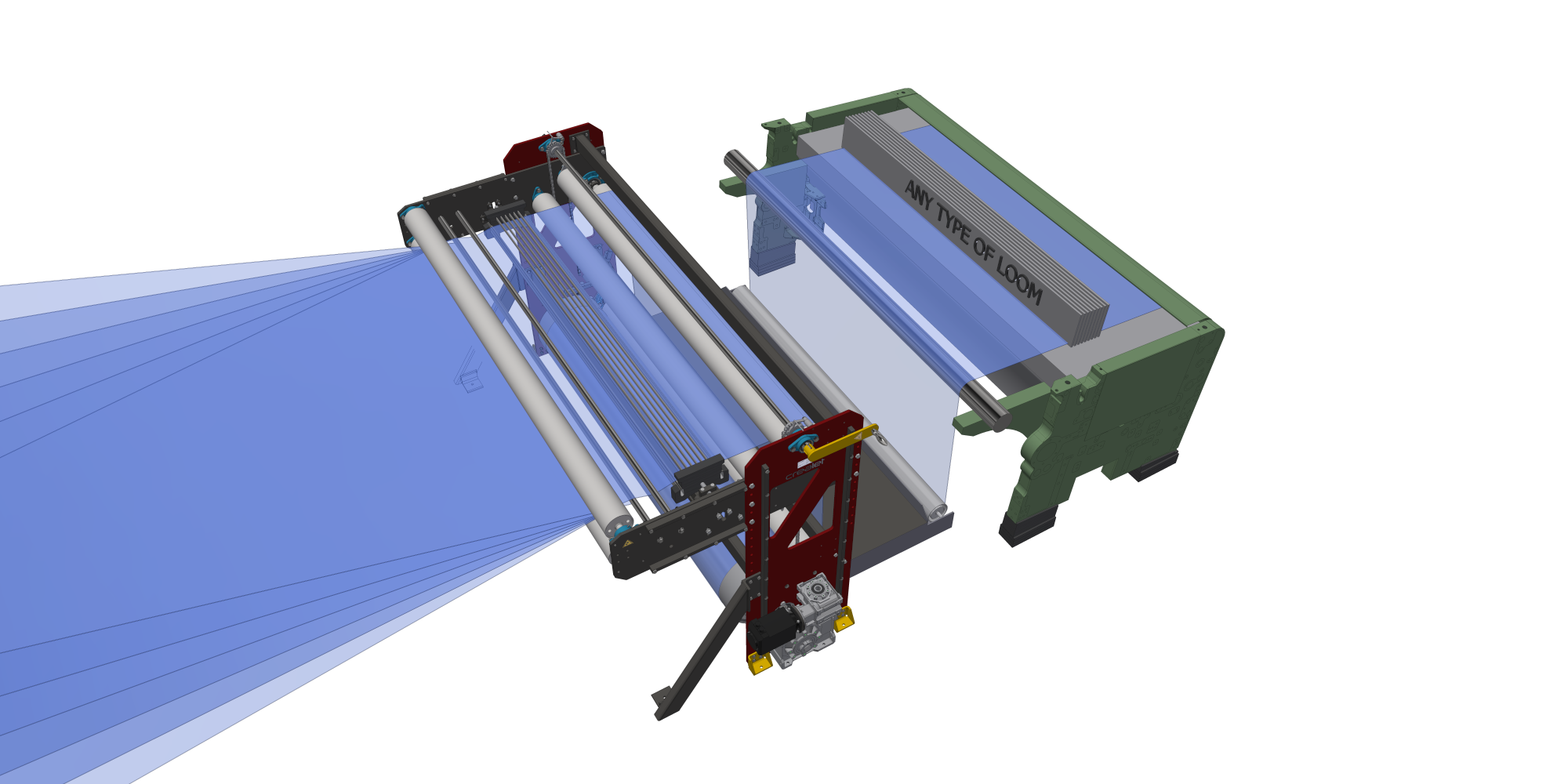
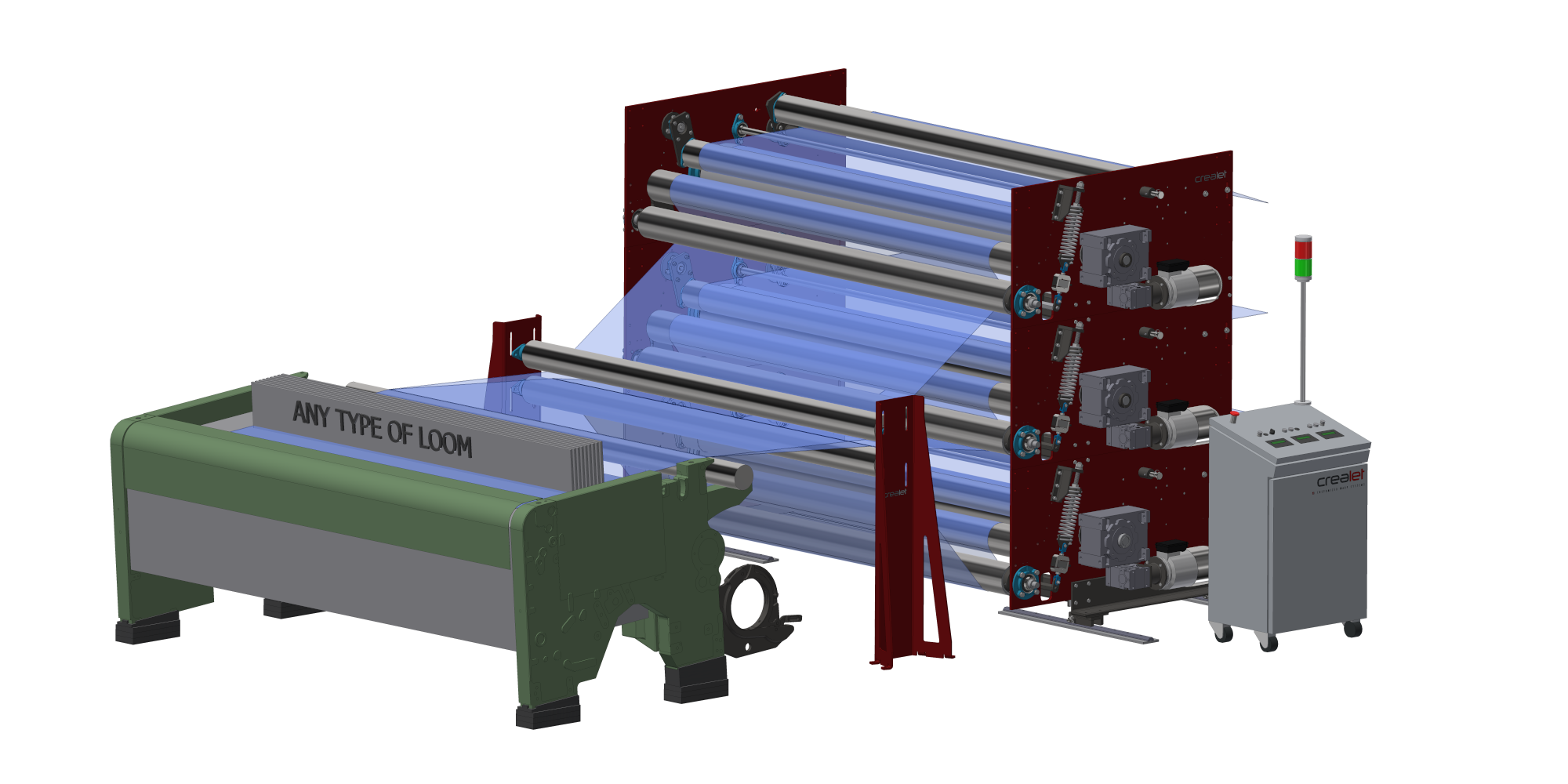
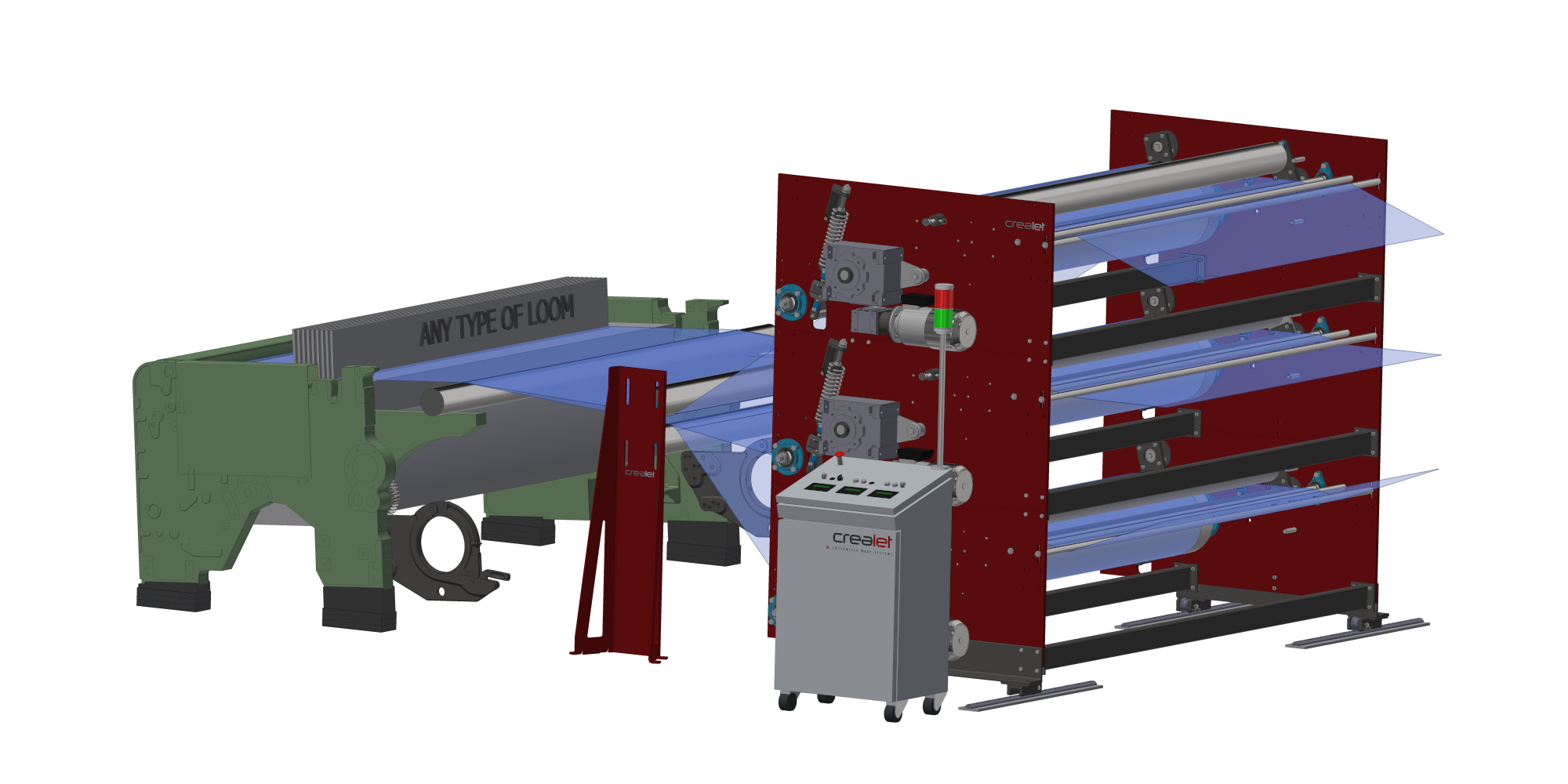
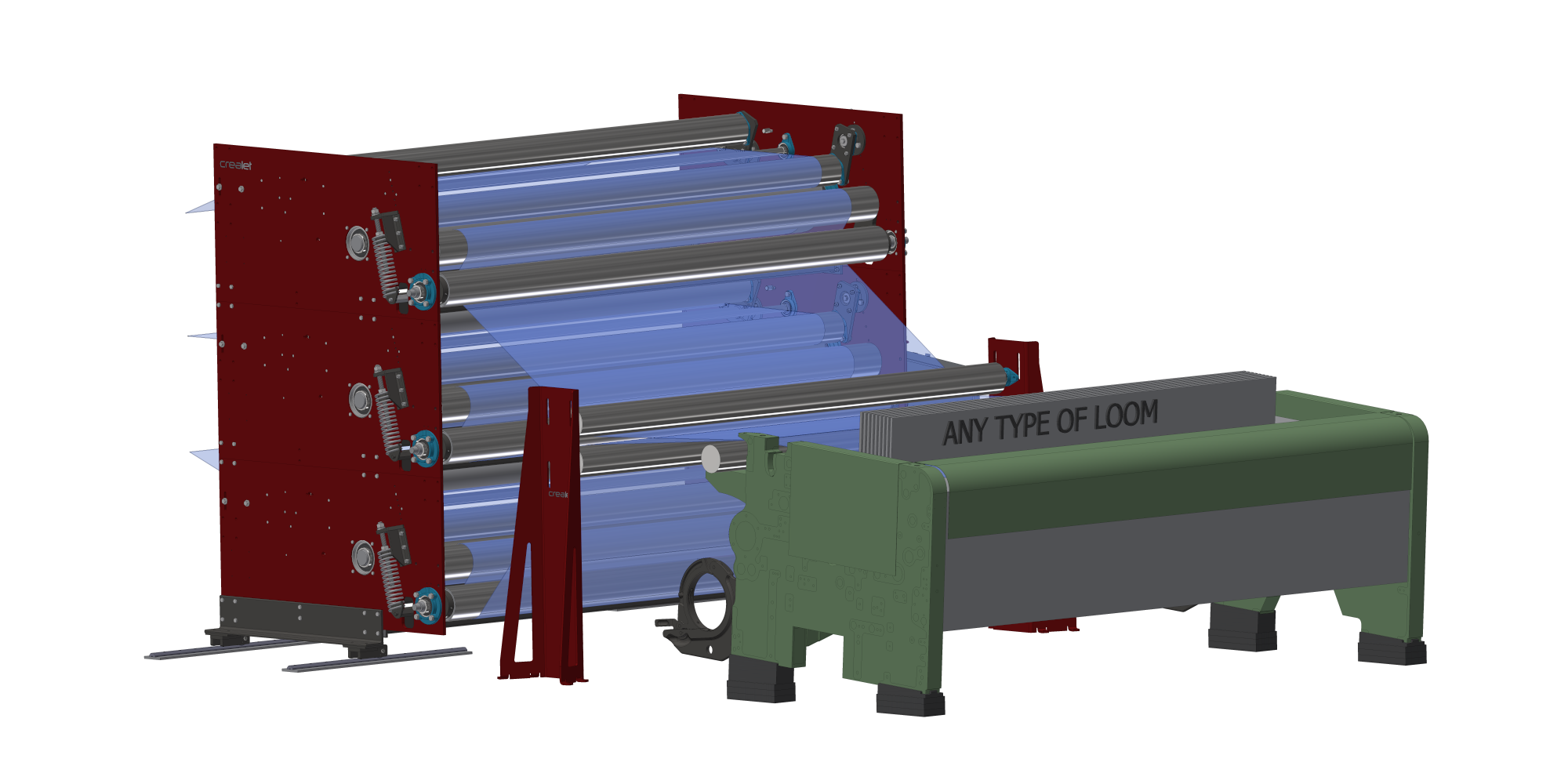
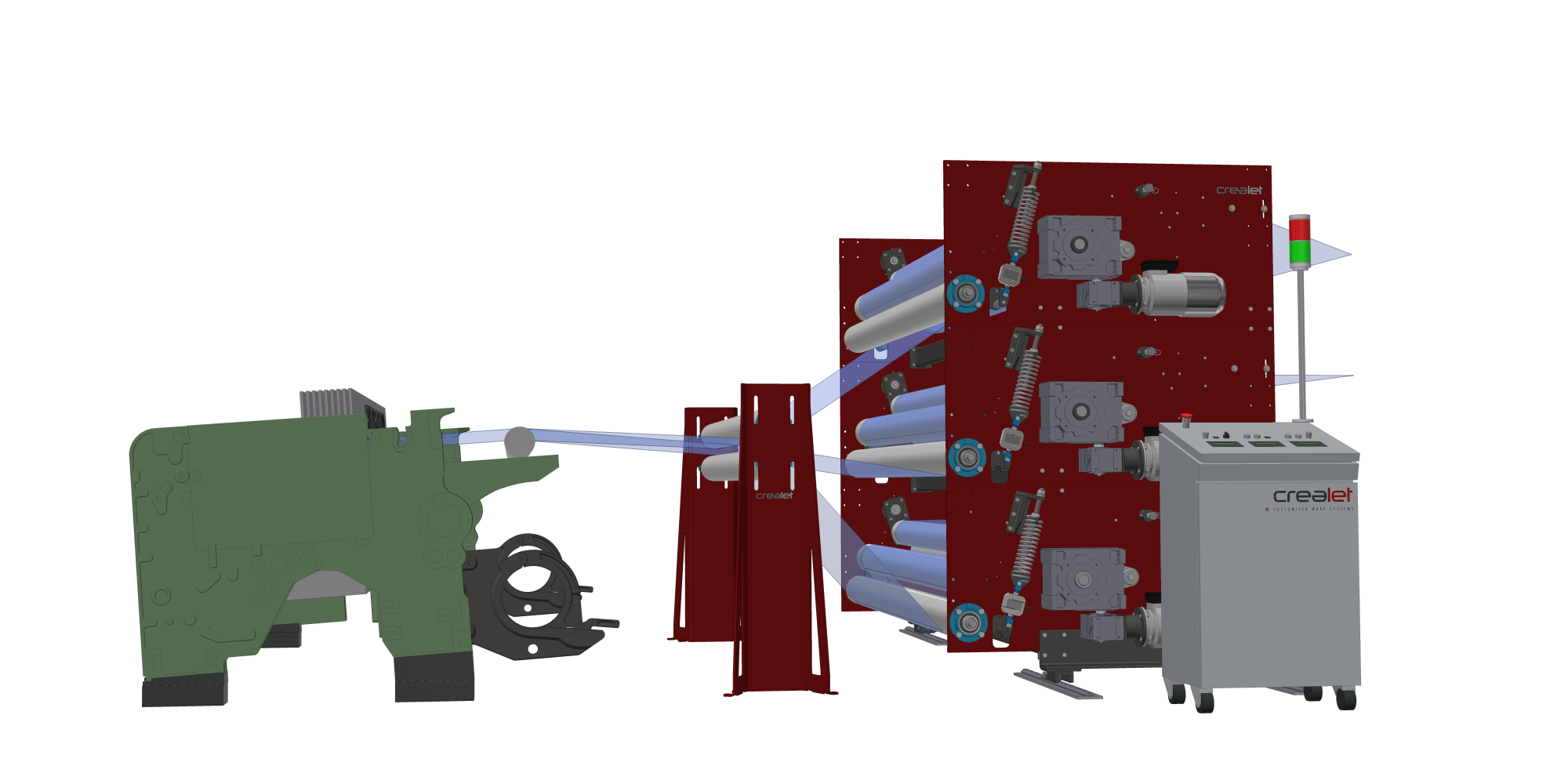
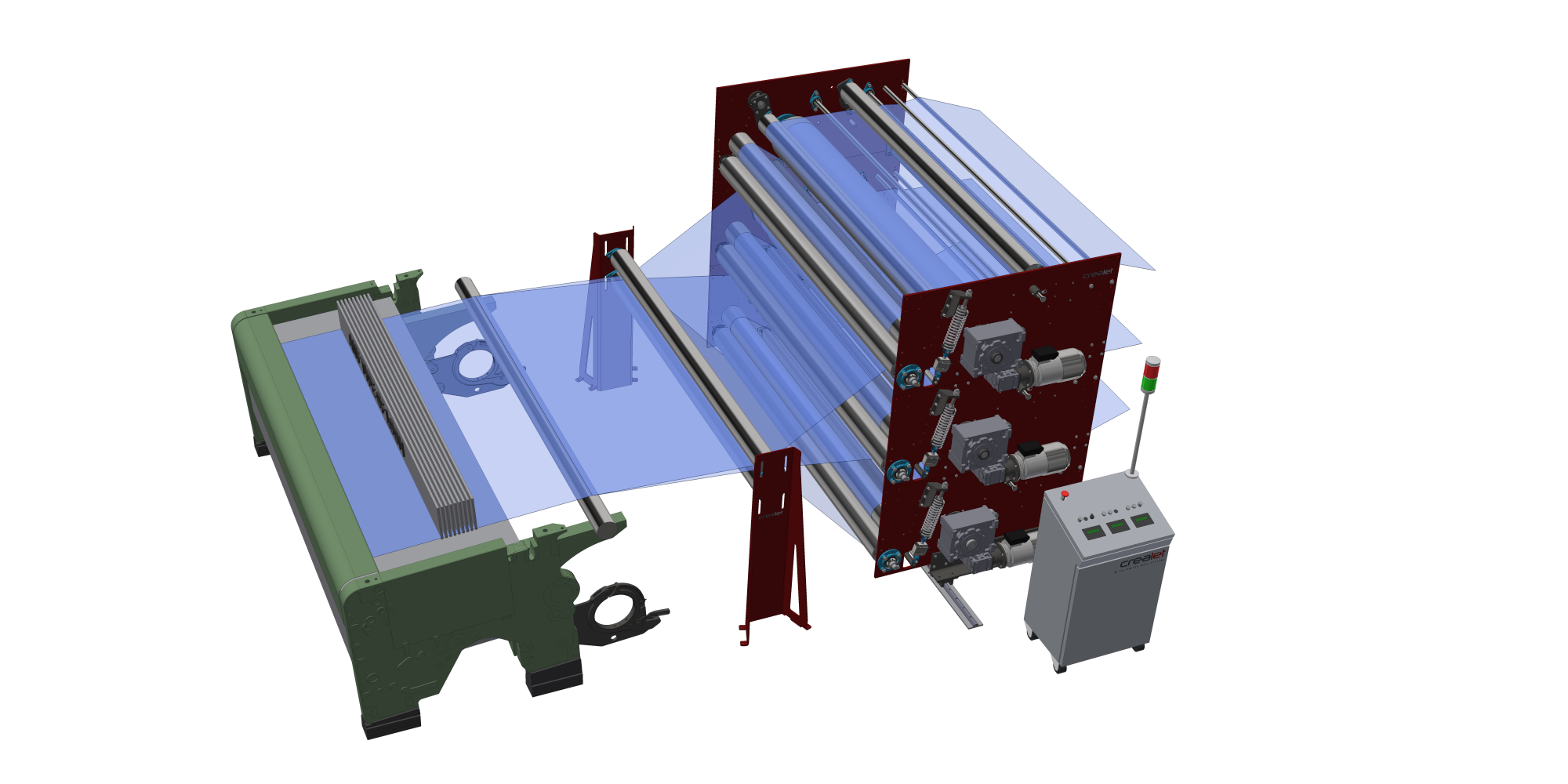
Before a warp thread reaches the weaving machine, it has already passed through several stages. The creel provides an organised arrangement of the yarn packages. The yarn tensioning device influences the uniformity of yarn running, before the warp yarn feeder takes over the controlled feeding of the warp threads to the weaving machine.
The principle is simple: Every component must be suited to the application – and the entire system must work together optimally.
A high-quality warp yarn feeder can only deliver its full benefits if the upstream yarn feeding system is designed accordingly.
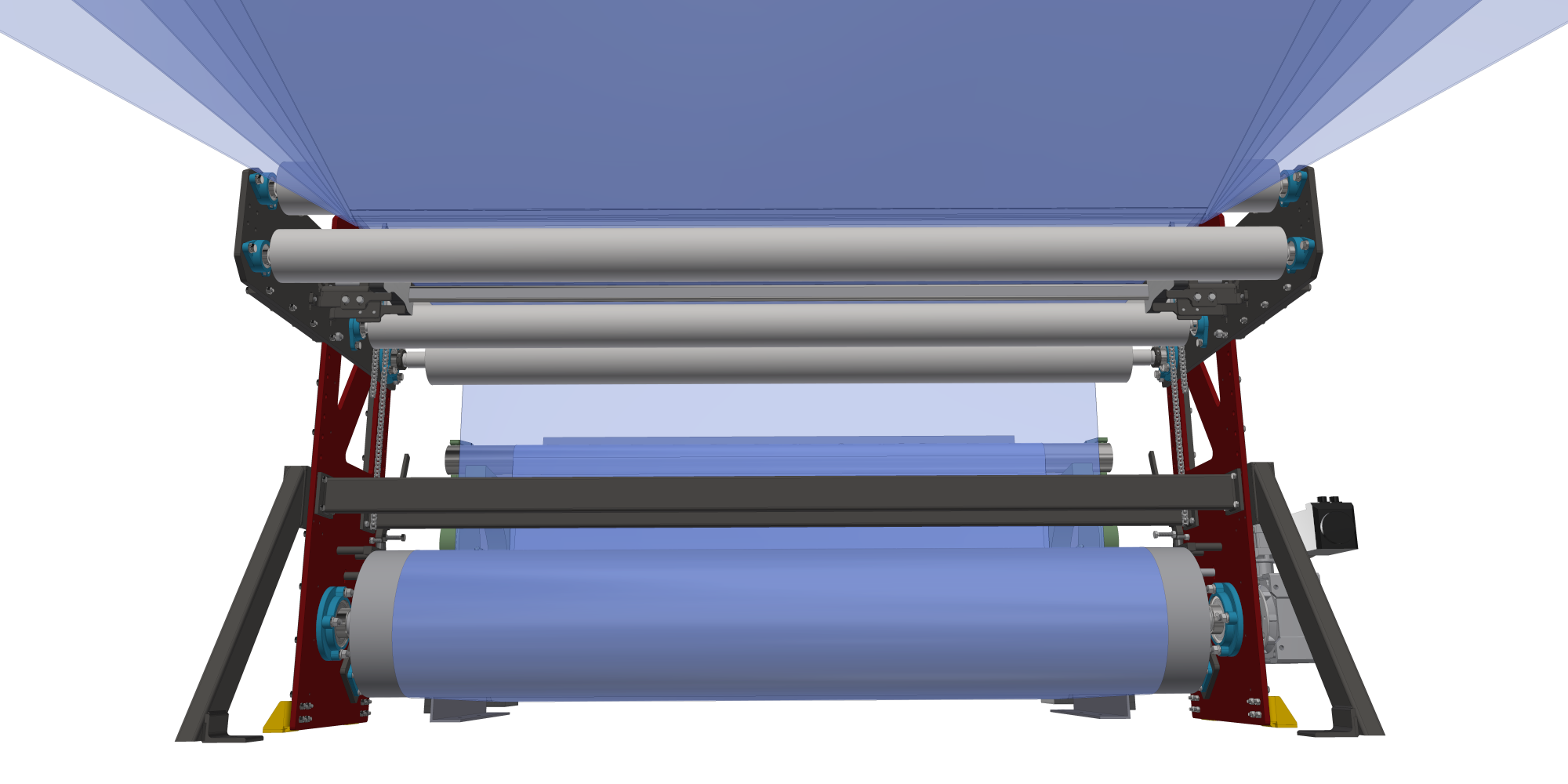

Consistent Yarn Tension as the Basis for Quality
Yarn tension is one of the key parameters in the weaving process. Fluctuations can affect yarn running behaviour and ultimately become noticeable in the fabric quality.
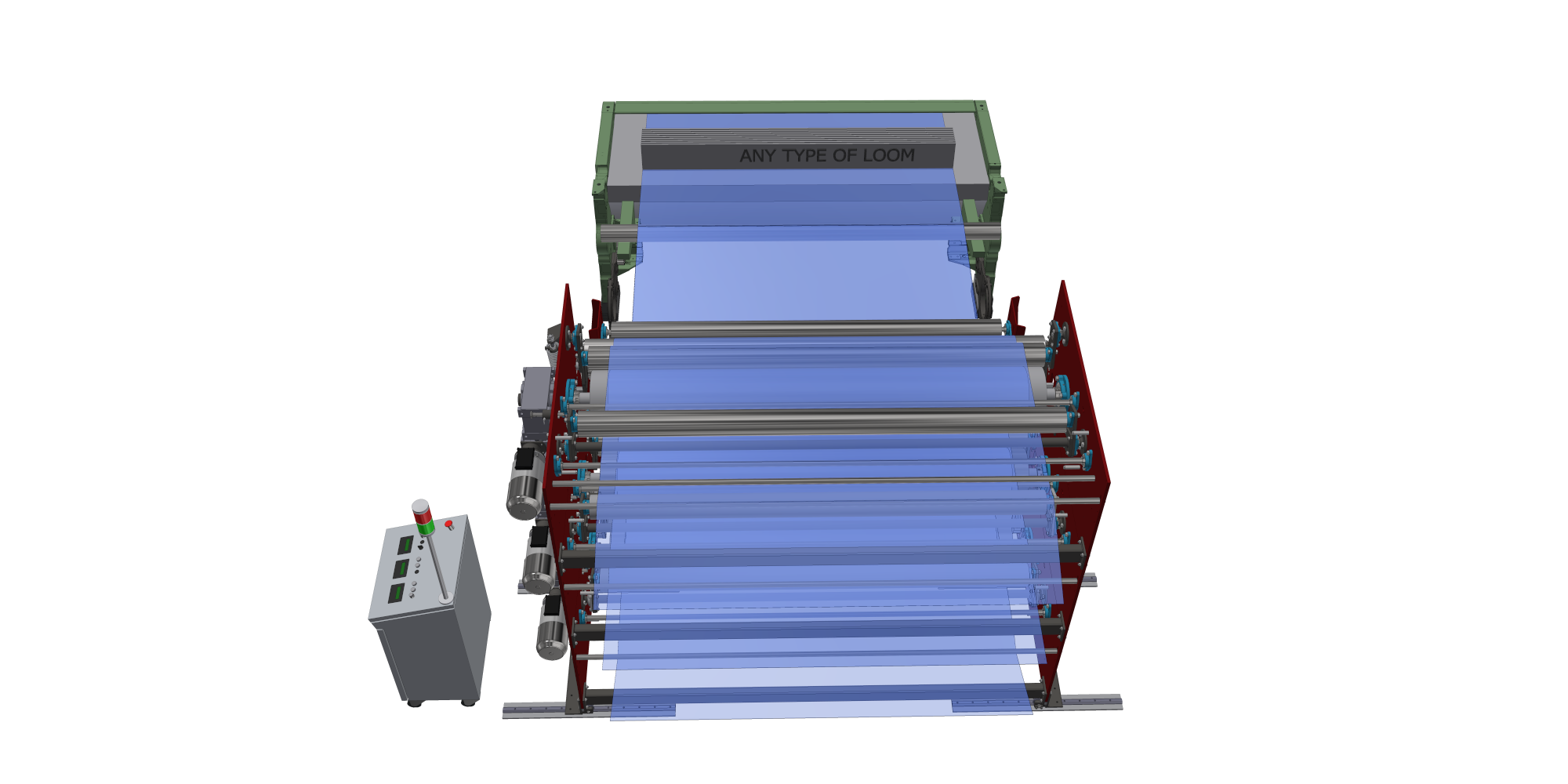
CREALET electronic warp yarn feeders enable precise and reproducible adjustment of yarn tension. The desired parameters can be defined in the control system and adapted to different yarn types and production conditions.
This provides an important basis for a stable process – particularly when different materials or high production speeds are involved.
Experience with Demanding Materials
The requirements for warp yarn feeding vary considerably depending on the application. What works well with a conventional yarn may involve completely different requirements when processing technical fibres or specialised fabric constructions.
CREALET has extensive experience in warp yarn guidance for demanding applications and a wide range of materials.
This includes solutions for the production of tyre cord fabrics, where high levels of precision, uniformity and process stability are required.
Controlled and material-specific yarn guidance is also essential when feeding carbon fibres for fabrics used in aircraft construction. The sensitive fibres require a correspondingly gentle and precisely coordinated feeding process.
Another area of application is EP fabrics for transport and conveyor belts. Here too, precise and reliable warp yarn guidance is essential to achieve the required properties of the technical fabric.
These different applications demonstrate that the optimum solution is not created simply by selecting a yarn feeder. It requires an understanding of the material, fabric construction and the entire production process.
What Happens During a Weaving Fault?
Another critical situation occurs when the weaving machine is stopped or the picks have to be reversed.
This can cause individual warp threads to become unintentionally loose. If these threads are not taken up in a controlled manner, tangling can occur. This not only costs time but can also put unnecessary strain on the yarn or fibre.
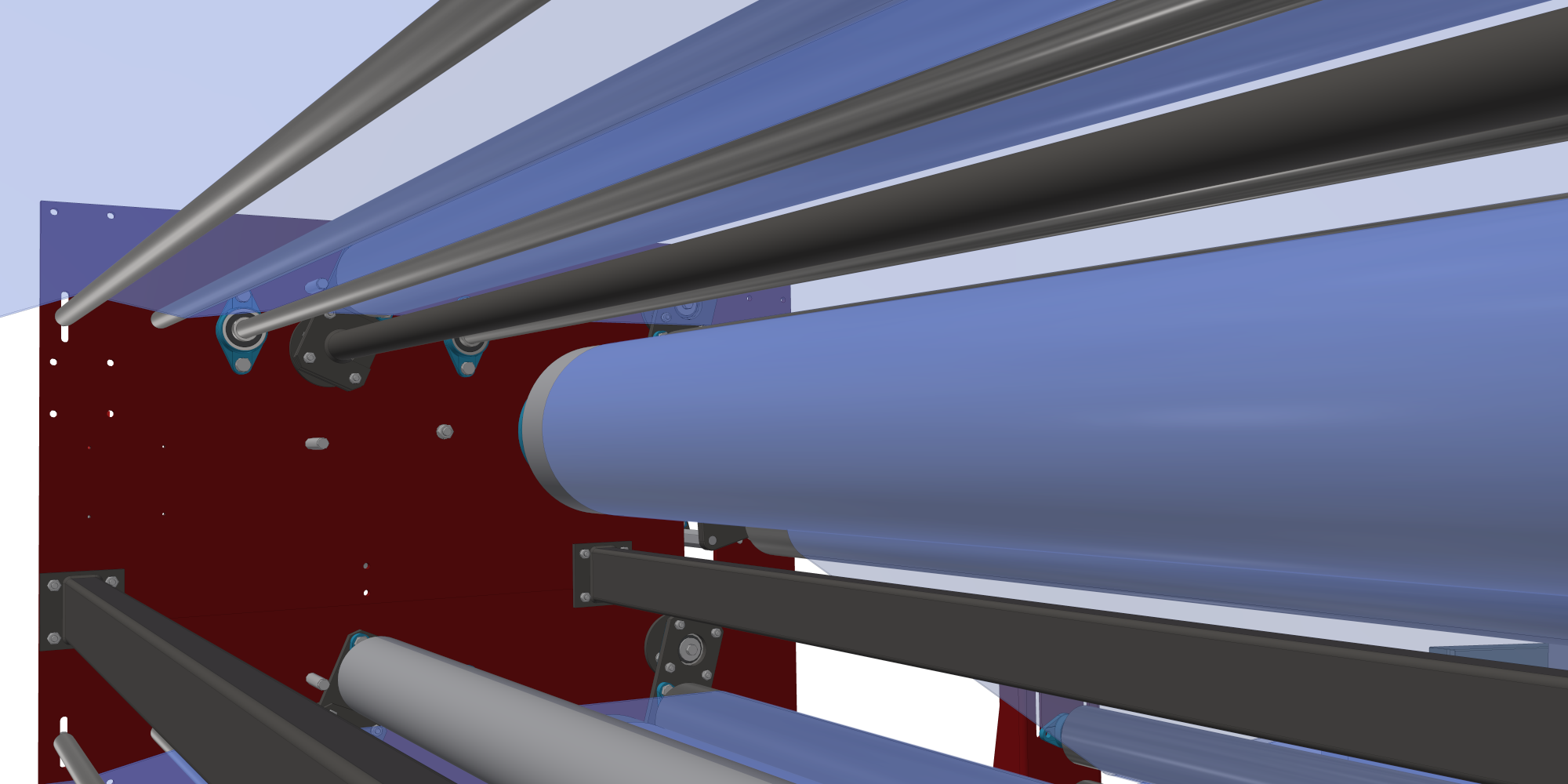
CREALET systems take this situation into account as well. During corresponding reverse movements, loose warp threads are taken up by the integrated yarn accumulator and then fed back in a controlled manner.
This turns a potential source of disruption into a controllable process.
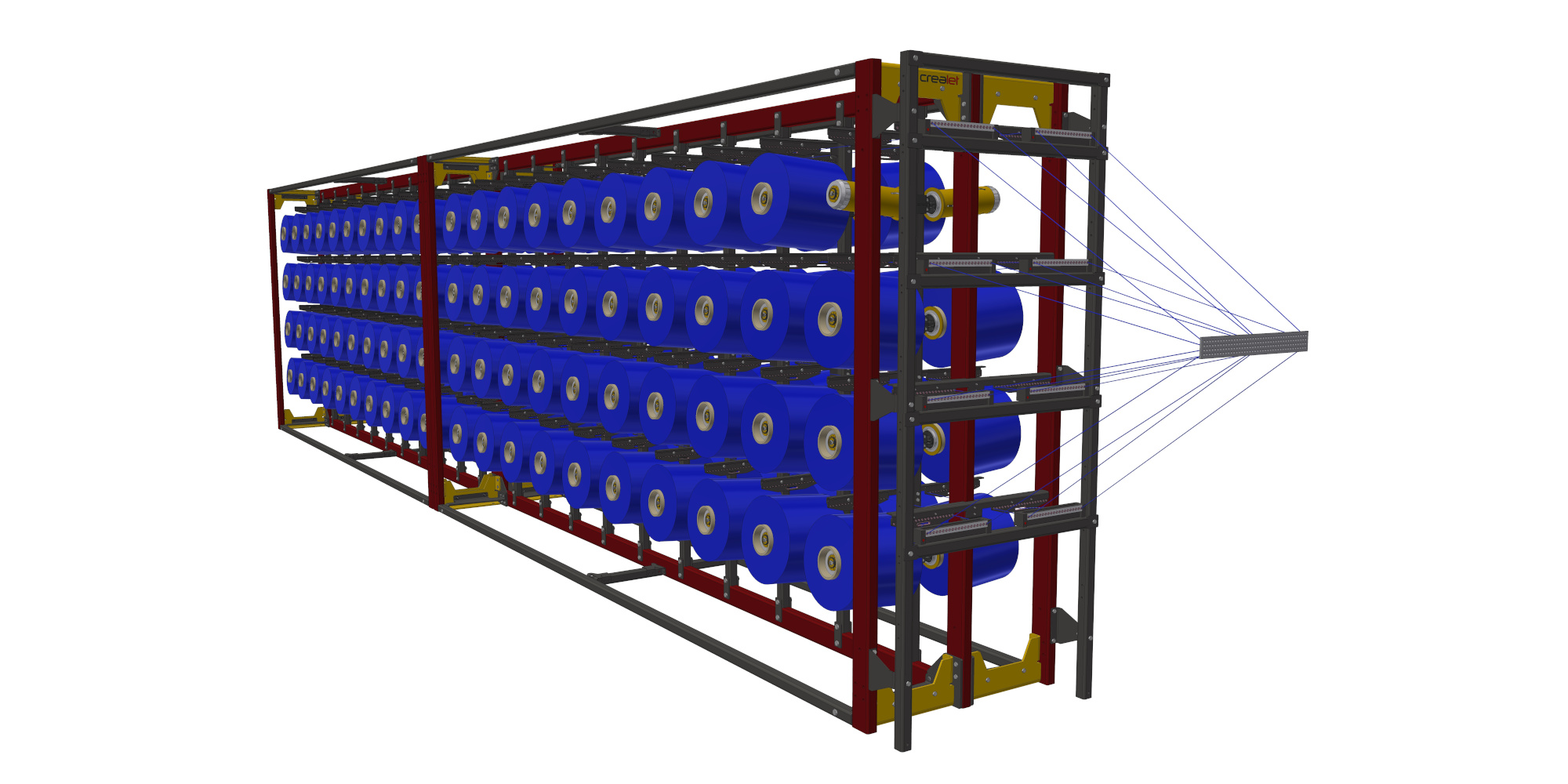
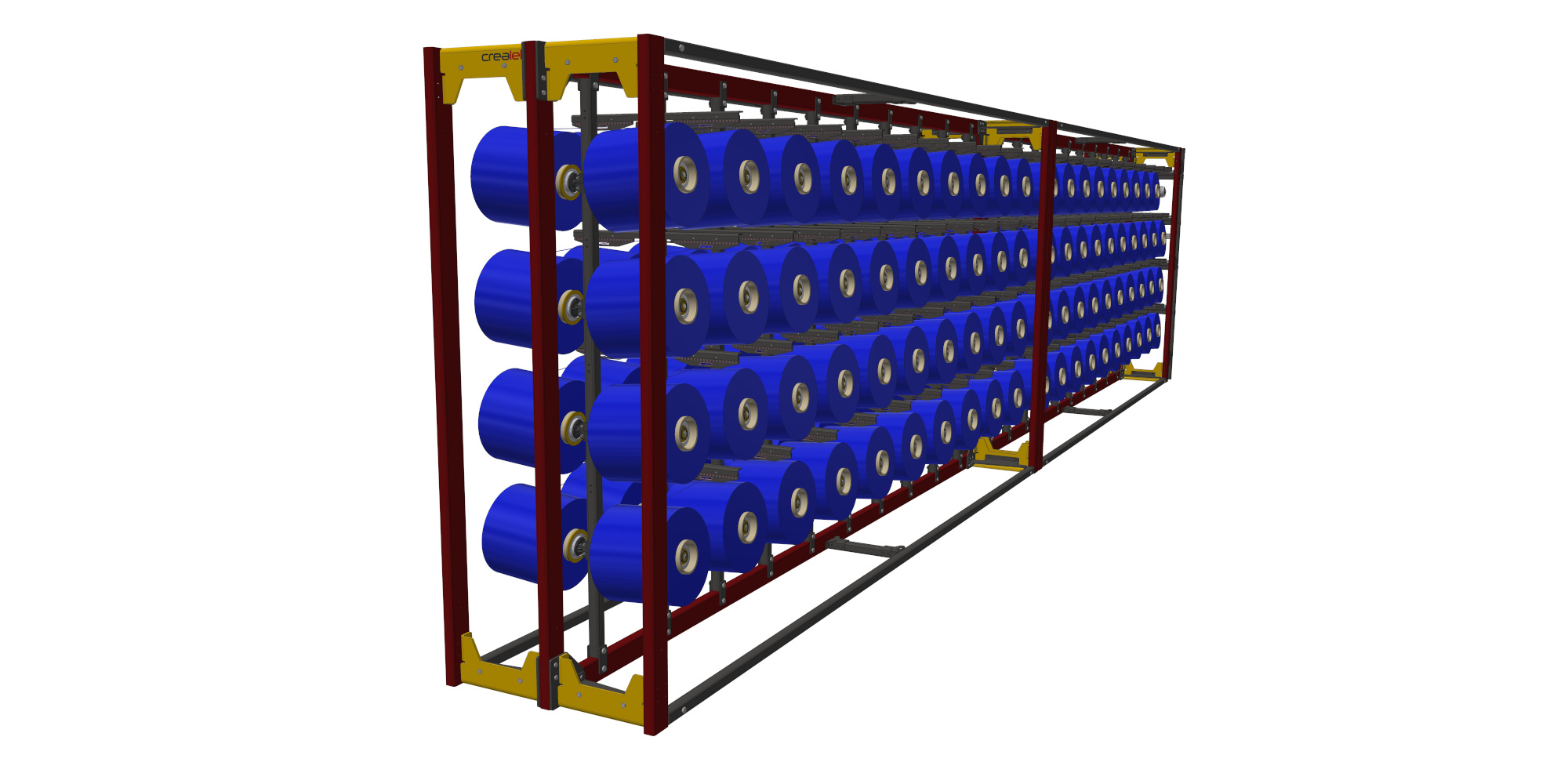
The Creel Is More Than Just a Yarn Package Holder
The creel also deserves particular attention. The number and arrangement of the yarn packages, available space, yarn type and production requirements determine which solution is most suitable.
That is why there is no single standard solution for every application.
When designing creel and yarn tensioning solutions, CREALET works together with experienced partners. Depending on the application, mechanical, pneumatic or magnetic yarn brakes can be used.
The key factor is not the individual component, but its optimum integration into the overall process.
From Individual Product to Complete Solution
Creel → Yarn Tensioning → Warp Yarn Feeder → Weaving Machine
This is precisely where the difference lies between an individual technical component and a well-designed system solution.
Each station influences the next process step. A precisely coordinated warp feeding system therefore helps to unlock the full performance potential of the entire weaving system.
For the operator, this primarily means:
- constant and reproducible yarn tension
- stable yarn running behaviour
- increased process reliability
- fewer disruptions and reduced downtime
- gentle handling of yarns and technical fibres
- consistent fabric quality
Precision Begins Behind the Weaving Machine
Anyone looking to improve the efficiency of a weaving system should therefore not focus solely on the weaving machine itself. There is often significant potential in the upstream warp yarn feeding system.
Experience from a wide range of technical applications demonstrates the importance of taking an individual approach. Whether tyre cord fabrics, carbon fibre fabrics for aircraft construction or EP fabrics – every material and every process has its own requirements when it comes to yarn feeding.
CREALET combines this experience with electronically controlled warp yarn feeders as well as individually tailored creel and yarn tensioning solutions.
For a stable process. For reproducible quality. And for precision that begins before the weaving machine.
Would You Like to Optimise Your Warp Yarn Feeding System?
Whether for a new installation or an existing weaving machine, CREALET supports you in selecting and coordinating the right solution – including demanding technical fabrics and specialised fibre materials.
CREALET – Precision that begins before the weaving machine.

